For wealthy individuals, both participating insurance and universal life insurance can seem questionable. The returns they provide, which aren’t guaranteed, may appear to be more uncertain than fixed options. However, for those with advanced investment strategies, these types of insurance can provide a combination of growth opportunities and security that fits their intricate financial objectives, provided they are properly understood.
Growth with a Safety Net: Beyond Basic Returns
Unlike traditional insurance, these products link returns to underlying investment pools—often a mix of equities, real estate, and private equity. For affluent investors, this means participating in market upswings while enjoying a "floor" of sorts: even in downturns, many policies guarantee a minimum cash value, preventing catastrophic losses. A universal life policy with a 2% minimum return, for example, can act as a buffer when stocks crash, preserving capital while still offering upside when markets rebound. This duality makes them ideal for balancing aggressive investments like venture capital, adding stability without sacrificing growth.
Tax Efficiency for Global Portfolios
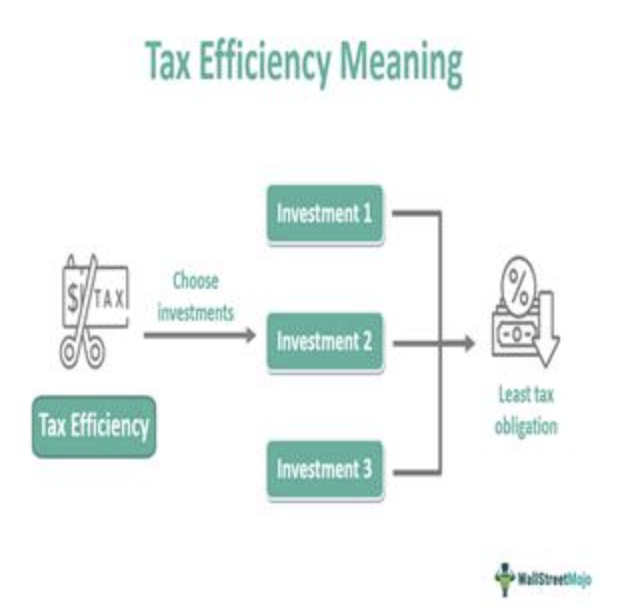
High earners with cross-border assets prize these policies for their tax advantages. In many jurisdictions, dividends from participating insurance grow tax-deferred, and death benefits pass to heirs tax-free—critical for avoiding estate taxes on multi-million-dollar legacies. For a U.S.-based investor with European properties, a universal life policy denominated in euros can also mitigate currency-related tax liabilities, as gains are often taxed based on the policy’s home currency. These nuances turn non-guaranteed insurance into a strategic tool for preserving wealth across borders.
Customization for Unique Lifestyle Needs
Premium policies offer flexibility that rigid instruments lack. Universal life insurance, for instance, allows adjusting premiums and death benefits to match life changes—say, increasing coverage during a business expansion or reducing payments during early retirement. dividend insurance often let policyholders reinvest dividends into additional coverage or take them as cash to fund luxury expenses, like a child’s Ivy League tuition or a sabbatical in Tuscany. This adaptability makes them more than financial products; they become dynamic components of a lifestyle plan.

Legacy Planning with Control
For families focused on generational wealth, non-guaranteed insurance provides a way to transfer assets with precision. A participating policy’s cash value can be used to fund trusts, ensuring grandchildren receive education funds or startup capital at specific ages. 万能险 policies with "second-to-die" features pay out only after both spouses pass, avoiding probate and ensuring the full benefit goes to heirs—bypassing potential legal battles over complex estates. These structures offer control that cash or real estate alone can’t match, making non-guaranteed insurance a cornerstone of legacy strategies.
The Catch: Understanding the Risks
Non-guaranteed doesn’t mean reckless, but it demands due diligence. Returns depend on the insurer’s investment performance, so choosing a company with a strong track record in alternative assets (like luxury real estate or private equity) matters. High-net-worth buyers should also avoid overestimating projected returns—focus instead on historical averages and the policy’s long-term flexibility. For those who can tolerate moderate risk in exchange for growth and customization, these products deliver value that guaranteed instruments can’t replicate.

For the affluent, non-guaranteed insurance isn’t about avoiding risk—it’s about harnessing it wisely. When integrated into a diversified portfolio, dividend insurance and 万能险 offer a rare combination of growth, tax efficiency, and control, proving that "non-guaranteed" can be a powerful ally in preserving and enhancing wealth.
