Reaching the age of 30 frequently leads to noticeable changes in the body—such as feeling stiff in the mornings, tiredness from stress, or early signs of a slower metabolism. For those earning high incomes, addressing these physical issues requires careful planning with insurance to avoid restricted choices or rising expenses.

The 30s: A Critical Insurance Window
In your 30s, you reach an important point in your insurance journey. Although small health concerns may start to appear, they usually don't stop you from getting full coverage—at this stage. Insurance companies consider people in their 30s to be less risky compared to those in their 40s, but costs do increase significantly after you turn 35. If you earn a high salary, waiting to get coverage could lead to a 30-50% increase in your costs in five years, and having any existing health issues might mean you lose some benefits later on.
Prioritizing Coverage for Emerging Risks
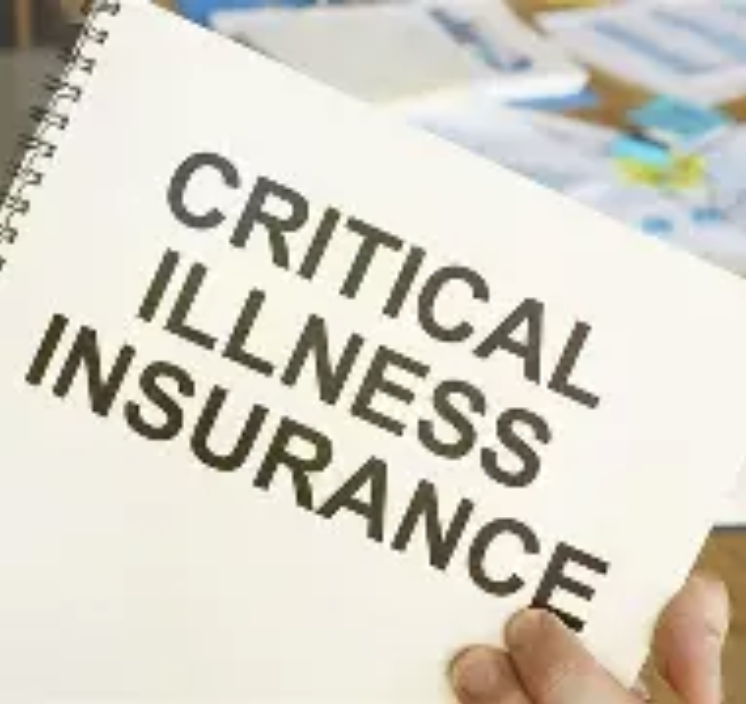
First, prioritize policies that specifically tackle vulnerabilities faced by those in their 30s. It’s important to consider critical illness insurance that includes early-stage coverage. Nowadays, many plans cater to illnesses such as early-stage breast cancer or minor strokes, which often emerge during this decade, allowing access to treatment funds without depleting savings. Seek out plans that encompass over 50 conditions, particularly “lifestyle-related” health problems like complications from hypertension, which tend to impact many driven professionals.
For this demographic, high-deductible health insurance paired with robust health savings accounts (HSAs) offers a unique advantage. These plans address major health expenses while enabling you to save for regular care without taxes—ideal for those in their 30s who may encounter occasional health concerns but are not yet dealing with chronic issues. Additionally, consider including telemedicine features and global coverage options for those who travel abroad or move for work, as is often the case for successful professionals.
Riders That Address 30s Realities
Skilled riders adapt regular policies into over 30 options. “Waiver of premium” riders freeze payments when you are disabled, which is essential if back injuries or stress-related conditions cause a temporary loss of income. “Guaranteed insurability” riders allow you to boost your coverage following significant life changes without needing medical tests, so your protection can grow alongside your responsibilities.For those in the fitness industry, “wellness benefit riders” offer discounts on premiums or cash-back rewards for gym memberships, yearly check-ups, or health screenings—linking insurance to healthy behaviors that help lower future health costs.
Avoiding Overlap and Waste
Those who earn high incomes frequently tend to insure less important risks excessively, while neglecting the significant ones. It’s wise to avoid “accident-only” policies that overlap with full coverage plans. Rather, consider obtaining umbrella liability insurance, as it safeguards your assets from lawsuits due to sports injuries or home accidents typical in households with people in their 30s.Regular policy evaluations are important. As health issues arise, adjust your insurance to cover specific risks and remove unnecessary extras. A 35-year-old facing arthritis might require increased disability insurance, while they could decrease accidental death benefits that are not as relevant to their situation.Your body's health issues in your 30s don’t dictate your insurance choices—your decisions do. By focusing on timely and customized coverage, you can shield your health and finances from forthcoming challenges, helping to maintain your quality of life as you progress through the decades.
